
Smart Ways to Cut Heating Costs in Vado Homes This Winter
A Vado winter is usually mild by northern standards, but clear nights in the Mesilla Valley still bring sharp temperature drops. Many homes along NM-28, Holguin Road, and the neighborhoods near La Union and Berino feel the swing. Heaters cycle hard at sundown, utility bills jump in January, and small air leaks or an aging furnace quietly burn extra cash. There is a practical way to change that. With a few targeted upgrades and better system habits, a Vado homeowner can trim winter heating costs by 10 to 35 percent while staying comfortable.
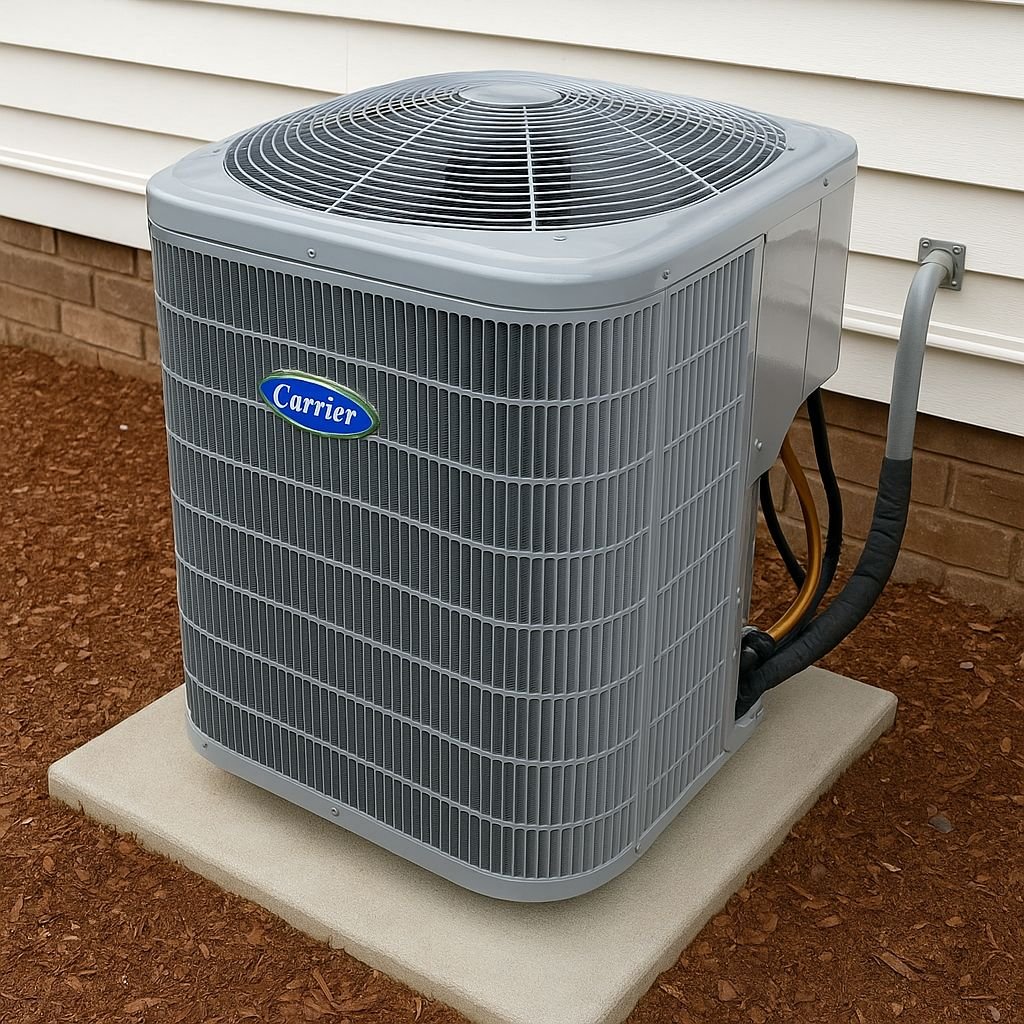
This article shares field-tested steps that fit the local housing mix. It leans on what an HVAC contractor sees every week in Vado, NM: leaky ductwork in crawlspaces, undersized returns, heat pumps struggling with set-it-and-forget-it thermostats, and furnaces overdue for a tune-up. Each section explains what works, what it costs, and where the savings usually land. For hands-on help, a local HVAC contractor in Vado, NM can measure, fix, and verify results.
Start with the low-cost wins
Small changes matter in Dona Ana County’s dry climate. Nighttime humidity is low, so infiltration adds up fast. Two or three quick fixes can take the edge off your bill before touching the equipment.
Weatherstripping and door sweeps prevent drafts at the front door and garage entry. In older houses near the Rio Grande levee, many thresholds show a visible gap. A $15 door sweep and $10 worth of foam tape can cut a persistent cold draft that otherwise forces longer heat cycles. The effect shows up as steadier room temperatures and fewer thermostat calls at night.
Attic hatch gaskets stop a known leakage path. In single-story homes off Vado Drive, the attic access often sits in a hallway with no gasket. Adding an insulated cover and a compressible seal is a short job with a quick payoff. Heat loss through this opening can equal a small open window.
South-facing window strategy helps during bright winter days. Open blinds or curtains after sunrise to let solar gain warm living spaces, then close them 30 to 60 minutes before sunset to hold the heat. In homes with tile floors, the thermal mass gives a small but real buffer through the evening.
Ceiling fan direction matters. Set fans to spin clockwise on low to gently push warm air down without creating a draft. This helps in rooms with high ceilings found lascrucesaircontrol.com in newer builds off Highway 478, where stratification wastes heat at the top of the room.
These changes cost little and build a foundation. They also expose whether a home has deeper issues like duct leakage or poor airflow.
Dial in the thermostat the right way
Thermostat strategy is one of the cleanest savings levers. A good rule in Vado is a daytime setpoint of 68 to 70°F while occupied and 62 to 64°F overnight. Dropping 5 to 8 degrees for at least six hours can reduce heating energy by roughly 5 to 15 percent, depending on insulation and system type.
For heat pumps, large setbacks can backfire if the unit triggers auxiliary heat. In manufactured homes near the county line with heat pump systems, keep setbacks modest, about 3 to 5 degrees, and use a smart thermostat that understands heat pump staging. The goal is steady, efficient operation without frequent defrost cycles or electric strip heat.
Smart scheduling helps households on regular routines. Set weekday and weekend blocks instead of chasing comfort with manual changes. A consistent schedule prevents short cycling and brings down runtime. Geofencing can work in the rural grid around Vado if cell coverage is stable, but a set schedule is usually more reliable.
Avoid the “blast” myth. Setting the thermostat higher than needed does not heat faster; it only overshoots and wastes fuel. Step up in small increments if needed and let the system reach the setpoint.
Seal the ductwork, then measure airflow
A surprising share of heat loss in Vado homes comes from duct leakage. Many houses have ducts in unconditioned attics or crawlspaces. A 20 percent leak rate is common in systems we test, and 30 percent is not rare in homes from the 1980s and 1990s. Every cubic foot of warm air that leaks out in the attic has to be replaced by cold air drawn into the home.
Professionals test ducts with a fan and gauge to measure leakage at a set pressure. This isolates the ducts from the house and produces a number that guides the repair. Sealing with mastic (a thick adhesive sealant) and metal tape, plus new collars at the plenum, usually pulls leakage under 10 percent. On a typical 3-ton system, that improvement can shave 8 to 20 percent off heating energy, depending on runtime and system balance.
Airflow balance matters too. Many homes off Lechuga Road have undersized return grilles that choke the system. The furnace or air handler runs hotter and less efficiently, and rooms at the end of runs stay cooler. A simple fix is adding or upsizing return grilles to reach the necessary square inches for the tonnage. The target is 350 to 450 CFM per ton in heating mode on most conventional systems. After sealing and balancing, expect a quieter system, warmer far rooms, and fewer cold spots near exterior walls.
To know if sealing is worth it, look for these clues: dust lines along supply boots at the ceiling, whistling at the plenum when the blower ramps up, or big temperature differences between rooms with the doors closed. An HVAC contractor Vado NM can run a duct leakage test and airflow check in a couple of hours and quote the scope based on measured results.
Insulation that matches our climate
Attic insulation delivers steady savings during desert nights. The Energy Star recommendation for this region is R-38 to R-60 in attics. Many homes measure around R-19 to R-30. Topping up to R-38 is a practical target that moderates nighttime losses without overspending. A blown-in cellulose or fiberglass job over clear baffles and sealed penetrations works well.
Before adding insulation, seal the attic plane. Every can light, top plate crack, and bathroom fan housing needs a bead of caulk or foam. Sealing first keeps the warm air where it belongs and avoids burying leaks under insulation. This step improves heating more than insulation alone.
Wall insulation upgrades are less common in brick veneer and older stucco homes, but targeted fixes help. Insulate plumbing penetrations under sinks along exterior walls. Close gaps at hose bibs and dryer vents. Small penetrations add up and are quick to repair with foam and gaskets.
Garage and room-over-garage spaces deserve a look. Many bonus rooms above garages near Berino run cold. Dense-pack insulation in the floor cavity and weatherstripping the garage-to-house door can solve a persistent comfort issue that otherwise drives the thermostat higher for the whole home.
Furnace and heat pump care that pays for itself
Maintenance is not a luxury in this climate. Dust and fine sand ride in with every breeze. Filters clog faster than homeowners expect. A neglected filter reduces airflow, increases resistance, and pushes a heat exchanger or coil into inefficient ranges.
Choose the right filter for the equipment. High-MERV filters catch more dust but can restrict airflow on older blowers. For most Vado homes, a MERV 8 or 10 pleated filter changed every 60 to 90 days in winter is a safe starting point. If indoor allergies are a concern, move up to MERV 11 with an airflow check by a technician to verify static pressure stays within manufacturer limits.
Annual heating tune-ups catch failures before the first cold snap. A technician should inspect burners, check gas pressure, confirm safe combustion, test flame sensors, measure temperature rise, and verify blower speed and static pressure. On heat pumps, expect a check of refrigerant charge, defrost control, reversing valve operation, and coil condition. Small adjustments, like setting proper fan speed, can swing efficiency by several percent and improve comfort.
Watch for telltales of deeper trouble. A furnace that trips the high-limit switch, a yellow or wavering flame, or a heat pump that runs the auxiliary strips too often all signal that energy is being wasted and parts may be at risk. Addressing these early costs less than a mid-winter no-heat call.
Choose the right equipment for Vado winters
A full system replacement is a major decision, but the local climate gives options. In Vado, where winter lows often sit in the 30s and teens are rare, high-efficiency heat pumps perform well. Modern cold-climate units keep strong output down to the 20s, and even standard inverter models handle typical nights without electric backup. For homes on propane, a heat pump can cut heating costs noticeably because grid electricity often beats delivered propane on a per-BTU basis in this region.
For natural gas service, a 95 percent AFUE furnace still makes sense if ductwork is in good shape and comfort is a priority. Expect cleaner, even heat with a variable-speed blower. If the home has duct issues that are hard to fix, a ductless mini-split can handle hard-to-heat rooms or additions without tying into leaky trunks.
Right-sizing is crucial. Many homes are over-sized by a half to a full ton. Oversized systems short cycle, produce uneven heat, and waste energy. A Manual J load calculation uses the home’s exact size, windows, insulation levels, and orientation to pick the correct capacity. For a typical 1,800-square-foot Vado home with decent insulation and tight ducts, heating design loads often land around 20,000 to 28,000 BTU/h, which surprises owners used to 80,000 BTU furnaces. Correct sizing protects your investment and avoids high bills.
Water heater settings and hot-water habits
Heating is the star of winter bills, but hot water plays a role. Set the water heater to 120°F unless a medical need calls for hotter water. This cuts standby losses and reduces scald risk. Insulate the first 6 to 10 feet of hot and cold pipes leaving the water heater, especially in garages and utility rooms common in Vado. Pipe insulation often saves a few percent on water heating with almost no effort.
If the home has a recirculation pump, add a timer or smart control. Running 24/7 wastes heat through the loop. A morning and evening schedule keeps taps responsive without the constant heat loss.
Windows, shades, and air sealing that actually work
Windows often get the blame, but the bigger savings usually come from sealing the frame perimeter and improving shades. Use a smoke pen or light tissue to find moving air at window frames on a windy day. Caulk interior trim gaps and foam large voids from the exterior if accessible. A tight window frame performs much like a new window at a fraction of the cost.
Thermal curtains make a noticeable difference on west-facing rooms along the open fields where the wind slips through. Close them an hour before sunset in winter to slow radiant heat loss to the colder glass. On sunny days, open south and east windows to let in warmth, then close before the evening temperature drop.
Window replacement has benefits, but it rarely recovers cost through energy savings alone in this climate. If the frames are failing or glass is damaged, upgrade to double-pane, low-e units. If the windows are intact, prioritize attic sealing, duct sealing, and equipment efficiency first.
Room-by-room comfort checks
Every home has a trouble spot. In Vado, common problem rooms include corner bedrooms with two exterior walls, dens built from enclosed patios, and rooms over garages. Rather than turning up the thermostat for the whole house, fix the condition at the source.
Check supply and return paths. A bedroom with a closed door and no return path can starve for airflow. Under-cut the door by 3/4 inch or add a jump duct or transfer grille to move air back to the hallway. This lowers pressure, increases airflow, and evens temperatures.
Verify register settings and damper positions. Some dampers are hidden near the plenum, not at the grille. Open the farthest runs fully and dial back closer rooms slightly if they overheat. Use small changes and give the system a day to settle before making more adjustments.
If a room remains stubborn, consider a ductless head or a small electric radiant panel used during occupied hours. These targeted solutions cost far less than running the central system hotter all day.
Practical ways to use less without feeling cold
Behavior changes work best when they fit normal life. Two or three consistent habits beat a long checklist that no one follows by February. Below is a short routine that works for many Vado households.
- Set the thermostat to 68 to 70°F when home and awake, 63°F overnight, with a modest 3-degree setback on heat pumps.
- Open south-facing shades by mid-morning, then close all shades an hour before sunset.
- Change filters every 60 to 90 days in winter and mark the date on the frame.
- Run bathroom fans for 10 minutes after showers, then off, to keep indoor humidity stable without over-ventilating.
- Close the fireplace damper when not in use. An open damper pulls warm air out of the house like a chimney should.
These simple steps require little effort and start saving immediately. They also make the home feel more even, which reduces the temptation to push the thermostat.
How to spot a system that is wasting money
Certain patterns on the utility bill and in how the system runs point to hidden losses. A bill that rises sharply after the first cold front suggests leaky ducts or poor control settings. Rooms that swing five degrees or more between cycles hint at oversized equipment or airflow problems. Long, loud heat pump defrost cycles on mild nights point to charge issues or a control board that needs attention.
Look and listen. If supply ducts pop or flex loudly when the blower starts, static pressure is likely high. If the furnace smells sharp or dusty beyond the first cycle of the season, the heat exchanger or blower wheel may be dirty. If the thermostat shows AUX heat often and the outside temperature is above the low 40s, the heat pump needs a tune and better staging.
A quick diagnostic visit from an HVAC contractor Vado NM can confirm these issues with static pressure readings, temperature rise checks, and a visual inspection of the ducts and equipment. Data beats guesswork, and fixes can be surgical rather than expensive.
What an HVAC contractor actually does on a savings-focused visit
Homeowners often ask what happens during a service call focused on cutting heating costs. A good visit includes four core steps. First, a comfort interview and visual survey: where does it feel drafty, which rooms lag, what are the current thermostat habits, and what is the filter setup. Second, measurements: static pressure across the blower, temperature rise across the furnace or coil, and a scan for duct leakage points. Third, a safety and performance check: burners, ignition, gas pressure, defrost cycle on heat pumps, electrical connections, and drain lines. Fourth, a short punch list: seal the most obvious duct leaks, adjust blower speed for correct temperature rise, calibrate the thermostat, and lay out a plan for any larger work.
This kind of visit usually takes 60 to 120 minutes and produces a clear path: a couple of immediate fixes on the spot, plus options like duct sealing, attic air sealing, or equipment upgrades with real numbers attached. The goal is a steady, comfortable home that uses less energy every night.
Costs, savings, and realistic expectations in Vado
Every house starts from a different baseline, but ranges help planning:
- Professional duct sealing and balancing: often $700 to $2,000, common savings 8 to 20 percent on heating energy, with comfort gains that are easy to feel.
- Attic air sealing and insulation top-off to R-38: often $1,200 to $3,000 for a typical single-story, with 10 to 25 percent annual heating savings and improved summer comfort as a bonus.
- Smart thermostat and setup: $150 to $400 plus setup, with 5 to 10 percent savings when used with steady schedules and proper heat pump settings.
- Annual maintenance: $120 to $250 per system, often recouped in energy and reduced breakdowns within one season.
- Heat pump or high-efficiency furnace replacement: wide range, but many full systems land between $7,500 and $14,000 installed, depending on ductwork and accessories. Savings depend on fuel type and current efficiency; the decision should rest on measured load, comfort goals, and existing duct condition.
These numbers reflect what an HVAC contractor in Vado, NM sees repeatedly. They also explain why the best first step is testing and sealing, then insulation, then equipment.
Local quirks Vado homeowners should consider
Dust and fine sand are constant. Filters clog faster, condensate lines collect grit, and outdoor heat pump coils get a film that hurts heat transfer. A spring and fall clean-and-check beats a single yearly visit. If the home sits near fields, consider a washable pre-filter ahead of the main filter, but confirm airflow remains within spec.
Power quality can vary along rural stretches. Heat pumps and furnaces with variable-speed motors benefit from surge protection. A small device at the panel or the condenser can save an expensive control board during a storm or a grid hiccup.
If the home uses propane, monitor price swings. A dual-fuel setup with a heat pump and a gas furnace can switch based on outdoor temperature and current propane cost. This hybrid approach often wins in our mixed climate, running the heat pump for most days and locking out to furnace heat only on the coldest nights.
The path to lower bills starts with a conversation
Every tip here aims at clean energy use and steady comfort. The fastest savings come from air sealing, duct fixes, smart thermostat settings, and basic maintenance. Bigger moves like insulation upgrades and right-sized equipment lock in gains for years. The common thread is measurement first, then targeted work.
For a home in Vado, La Union, or Berino, it helps to partner with a local pro who knows the housing stock and the winter pattern in the valley. An HVAC contractor Vado NM can test, explain the findings in plain terms, and complete the work that gives the best return. Schedule a visit before the coldest nights hit. A quick tune, a sealed duct, and a corrected thermostat schedule can bring this winter’s bill down without sacrificing comfort.
Air Control Services is your trusted HVAC contractor in Las Cruces, NM. Since 2010, we’ve provided reliable heating and cooling services for homes and businesses across Las Cruces and nearby communities. Our certified technicians specialize in HVAC repair, heat pump service, and new system installation. Whether it’s restoring comfort after a breakdown or improving efficiency with a new setup, we take pride in quality workmanship and dependable customer care.
1945 Cruse Ave Phone: (575) 567-2608 Website:
lascrucesaircontrol.com |
Google Site
Map:
View on Google Maps
Air Control Services
Las Cruces,
NM
88005
USA